

In addition, a major new report by the National Academies of Sciences Engineering and Medicine details all the health effects that constitute long COVID. The report was commissioned by the Social Security Administration to understand the implications of long COVID on its disability benefits. Estimates for the first year of the pandemic suggests that at least 65 million people globally have had long COVID. Along with a group of other leading scientists, my team will soon publish updated estimates of the global burden of long COVID and its impact on the global economy through 2023.
Risks and Complications
- In such cases, the brain has become accustomed to the presence of alcohol and may struggle to function normally without it, leading to feelings of confusion or disorientation.
- During the 12- to 24-hour time frame after the last drink, most people will begin to have noticeable symptoms.
- This decrease in brain activity not only affects us while we’re drinking, but it can result in brain fog the next day.
- We welcome anyone who wishes to join in by asking for support, sharing our experiences and stories, or just encouraging someone who is trying to quit.
Also, it’s important to note these findings don’t indicate whether the changes had any effect on brain function. Brain fog is one of the many consequences caused by excessive alcohol and substance abuse. Following addiction, this common symptom generally co-occurs with several other symptoms in the stage of recovery after acute withdrawal, known as Post Acute Withdrawal Syndrome (PAWS). In fact, research has shown that walking can help improve brain function and reduce the risk of developing Alzheimer’s disease. These exercises are all excellent for brain health as they help reduce stress and improve brain function.
- It’s usually temporary, but the length of time you’ll experience brain fog can vary.
- This is why people who are severely dehydrated get easily confused and disoriented — sometimes even becoming delirious.
- As the cells shrink, the brain’s ability to process information is impaired.
- We’ve all made the connection between sleep and tiredness, but the effects of sleep deprivation on the brain and body are extensive.
- For example, the frequency, duration, and the amount of alcohol consumed when drinking can all play a role in the severity of withdrawal symptoms.
- Individuals should be prepared to be uncomfortable during this period and have medical help available if needed.
Severe Symptoms
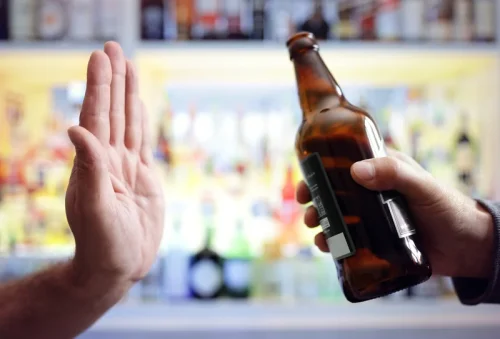
By committing to long-term sobriety, you can give your brain the chance to heal and witness the positive changes in your brain fog symptoms. It’s like giving your brain a breath of fresh air after being submerged underwater for an extended period. Sometimes, brain fog is less related alcohol brain fog to slow brain function and due more to overactive brain activity, such as over-analyzing a simple situation or obsessing about a problem. One way to let go of nit-picking or ruminating thoughts is to channel your energy into a creative activity, like drawing, needlepoint or cooking.

How Does Alcohol and Brain Fog Impact Early Sobriety?
- Many people with an alcohol addiction are malnourished, and it is possible that your body does not have the nutrients it needs for proper brain functioning.
- But over the last 6 months I feel like I have been on a steep cognitive decline.
- By Sarah Bence, OTR/LBence is an occupational therapist with a range of work experience in mental healthcare settings.
If your alcohol addiction is already taking over your life, we highly recommend starting a healthy withdrawal program. Brain fog from alcohol — also known as hangover brain fog — usually lessens within 8 to 24 hours after drinking. However, the time frame can be longer for people who are regularly consuming heavy amounts of alcohol.
By 2 Months
When someone drinks alcohol for a prolonged period of time and then stops, the body reacts to its absence. This is alcohol withdrawal, and it causes uncomfortable physical and emotional symptoms. But you can take steps to improve your mental and physical health to reduce your risk of symptoms becoming bothersome.
If an individual is experiencing severe or persistent symptoms, seeking professional help may be necessary. A healthcare professional can provide a thorough evaluation and diagnosis and recommend an appropriate treatment plan. Depending on the severity of the brain fog and other related symptoms, a healthcare provider may recommend medication, therapy, or other interventions to support recovery. Seeking professional help can be essential in managing brain fog and promoting overall well-being.
What We Know about Long COVID Right Now
This can be a tiring and overwhelming feeling, especially if you have a lot of obligations on your plate. If you drink for long periods of time, it can cause depression, and when you abruptly stop drinking, it can cause anxiety,” says Dr. Anand. From 2 months to 5 years of abstinence people makeincredible cognitive gains and get very close to a full restoration of normal functioning. “However, the extent of regional cortical thickness recovery over an extended period of abstinence (e.g., greater than 6 months) is unknown.”