
Although the unfold could appear small, due to the high volume of trades they execute, it could accumulate into substantial profits for market makers. For example, if a market maker buys a stock at ₹100 (bid price) and immediately sells it to another investor at ₹100.10 (ask price), the ₹0.10 distinction is their profit for facilitating the commerce. They play an important position in maintaining an orderly market and lowering worth volatility. Market makers play an essential position in the functioning of the securities markets by offering liquidity and enabling other market individuals to purchase and sell securities easily and at aggressive costs. They additionally help to minimize back volatility within the markets by providing a source of demand and provide for securities. However market makers provide liquidity in NSEIndia SME Emerge Platform for better value discovery and to provide two-way quotes with a minimum presence of 75% of the time during the trading session.
- Understanding the roles, mechanisms, and economic ideas behind these practices is crucial for anyone involved in or interested in the dynamics of recent trading and investment.
- Foreign change dealers are additionally a kind of market makers, as they maintain the bodily currencies with them and supply buyers with them through the trade.
- On receiving an order from a purchaser, they promote shares from their own stock to complete the order.
- Market makers are obliged to buy/sell the stocks listed in the market.They issue Bid-offer costs throughout the day,for all of the shares listed at which they are prepared to buy and sell each individual inventory.
- For example, if the market maker decides to promote or purchase shares of the ABC company, he\she will provide the quoted value of the inventory.
As wholesalers, these brokers charge markups on raw market spreads they buy from greater brokerages or banks. In distinction to ECN brokers, this execution fashion might produce better spreads, execution, and liquidity, notably underneath lean market circumstances. Contrary to market makers, market takers are merchants or entities that settle for the costs supplied by market makers. They take away liquidity from the market by executing trades with current orders, accepting present market prices, and sometimes in search of instant execution of their trades, paying the unfold for this immediacy. Options market making can be a profitable enterprise, as market makers can earn earnings from the unfold between the bid and ask costs, in addition to from the premiums they obtain for promoting options.
They give purchase and promote quotes to create a spread after which earn from trading volumes every day. Their trades involve a big risk as there is no assure of execution of either side of the transaction. In an effort to fight the risks of buying and selling, market makers are given the benefit of a two-way quote. The profit from a difference within the costs is a reward they earn for taking the chance. While common market makers present liquidity for numerous securities, there’s a special type of market maker referred to as a Designated Market Maker (DMM).
Forms Of Market Makers
Market makers are companies that enhance the liquidity and trade quantity of stocks on a given trade. However, when working as market manipulators, they must comply with specific legal guidelines set by the country’s regulators to operate legally. Usually, they work in teams to subsequently deliver more consumers and sellers into the market. Market makers ensure liquidity by repeatedly quoting bids and asking costs for securities, permitting consumers and sellers to simply discover counterparties for his or her trades. Their position is to provide liquidity to the markets and facilitate trade, to not manipulate costs or engage in other forms of market abuse. However, using HFT for market making has additionally generated controversy, with some critics arguing that these corporations have an unfair benefit over different market members.
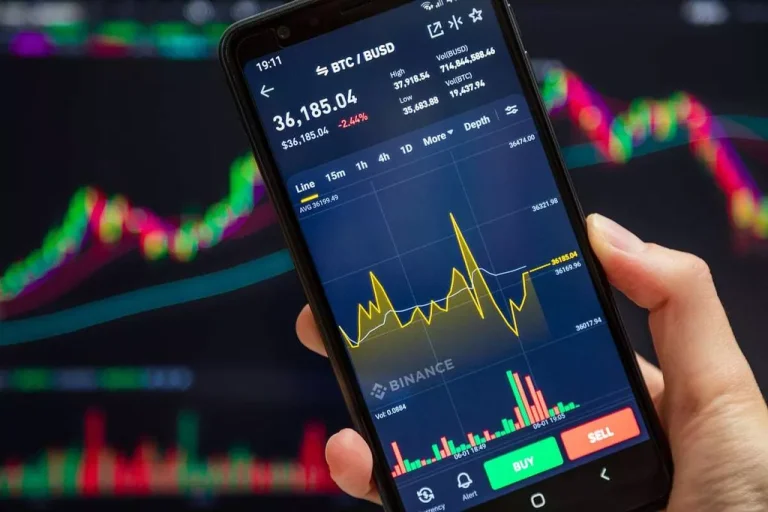
If an investor wants to buy XYZ Company’s shares, they can purchase them from the market maker at the ask value of ₹50.05. Conversely, if an investor desires to promote XYZ Company’s shares, they will sell them to the market maker at the bid worth of ₹50. Let’s consider an example of a market maker in a hypothetical stock, XYZ Company. The market maker might quote a bid price of ₹50 and an asking value of ₹50.05 for XYZ Company’s shares. Option market makers also use their knowledge of the market and the choices they make markets in, to offer pricing and danger management providers to other market members. They could use their expertise to assist different market individuals consider the chance of their positions and to hedge their publicity to the market.
The Economics Of Market Making
The market maker creates the market for traders, while the dealer buys or sells the shares from that created market. The dealer acts as a center man, which means the broker buys or sells shares on behalf of the investor. Market maker’s earnings are profit earned in the course of the buying and promoting exercise. Broker’s earnings are the fee charged for every commerce they execute. The presence of market makers makes stock trading safer and more secure. They create volumes in shares and maintain the markets from turning into illiquid.
Market making is a typical strategy utilized by HFT firms, because it allows them to supply liquidity to the markets and generate income from the spread between the bid and ask costs. HFT firms use their superior know-how and algorithms to execute trades rapidly and effectively, permitting them to take advantage of small worth actions and different market inefficiencies. Market makers operate as key market individuals to earn income from the distinction quantity.
What Are Some Common Strategies Used By Market Makers?
The earning of the market maker is the distinction between the bid and ask quote, i.e., $0.20. That means the market maker earns the profit in buying and selling activity. But market makers commerce hundreds of thousands of shares, so https://www.xcritical.in/ as the number of traded shares will increase, earnings additionally will increase. Market makers inherit a excessive stage of danger, because of the high variety of models of shares they maintain.
Unlock the complete potential of blockchain know-how and joint knowledge by requesting a worth or calling us today. The committee, working underneath Gupta put forward a number of proposals and recommendations in this regard. World-class wealth administration using science, information and know-how, leveraged by our experience, and human contact.
Monetary Consciousness Level
Market makers in such situtions show purchase and sell quotations for a guaranteed number of shares. On receiving an order from a buyer, they sell shares from their very own stock to complete the order. Market makers could be large brokerage homes which provide services for traders.They present the required liquidity and power to markets and revenue from the difference within the bid-ask spread.
For example, suppose the ETF is buying and selling at a big premium, i.e., higher than NAV. This is an unfavourable state of affairs for a possible buyer of the ETF, as they’ll end up shopping for the ETF for more than the honest value. To bring the price nearer to NAV, the MM might buy crypto market making ETF models from the AMC, and promote these units in the marketplace. Market makers are required to cite the acquisition and sale prices for the talked about variety of stocks. Once the market maker receives an order from an investor, the entity ensures that the order is accomplished by promoting its own holdings.
The Idea Of Market Makers In India
Liquidity refers back to the ease with which an investor can convert their asset to money near honest value and vice versa. Blue-chip shares, G-Secs (government securities) etc. have high liquidity since it is simple for a vendor to discover a buyer at a given time. However, for some securities, finding consumers and sellers keen to trade with one another in giant portions always can be troublesome. MMs are prepared to buy or promote securities to traders within the requested amount. MMs stand ready to both buy and sell securities from investors in the desired amount.

B) Market makers make the market safe, safe and likewise help in decreasing the volatility. C) They also point out the curiosity in a inventory as in absence of market makers in a inventory, it turns into susceptible to threat and high fluctuations. Market making and high-frequency buying and selling (HFT) are pivotal components of modern monetary markets, offering liquidity and facilitating efficient market operations. Despite their significance, misconceptions about these practices are widespread.
This tutorial goals to demystify market making and HFT, outlining their roles, participants, and the monetary mechanics behind them. In addition to boosting liquidity for an ETF, MMs also assist in an ETF to trade at a value nearer to its truthful worth i.e. Let’s recall the market price of the ETF is determined by the immediate demand and provide situations for the ETF in the market. These short-term fluctuations can drive the ETF price quickly larger or lower than the NAV; that is the ETF could additionally be buying and selling at a premium and or low cost respectively. MMs can lessen these fluctuations and trigger the ETF to trade nearer to the NAV. This is because MMs have the flexibility to create or redeem ETF items in massive portions with the AMC.
Market makers are essential to preserving financial markets working easily. They all the time provide to purchase and promote securities, guaranteeing investors can trade simply and pretty. Quoting bids and asking prices helps set the current market price and make trading more efficient. The small difference between these prices, known as the bid-ask unfold, adds up to vital earnings for market makers due to the massive number of trades they deal with. Market makers check with a agency, agencies or individuals who give ‘buy’ and ‘sell’ quotes in markets for stocks along with their quantity for creating higher liquidity. In normal buying and selling, the ‘buy’ and ‘sell’ quotes can have a huge difference (of even a couple of rupees) which might create liquidity points.